In Canada, about 1.1 million tonnes of apparel were disposed of in landfills in the past years.1 That includes footwear, which often gets thrown out for problems that could have been repaired with basic tools and the right method.
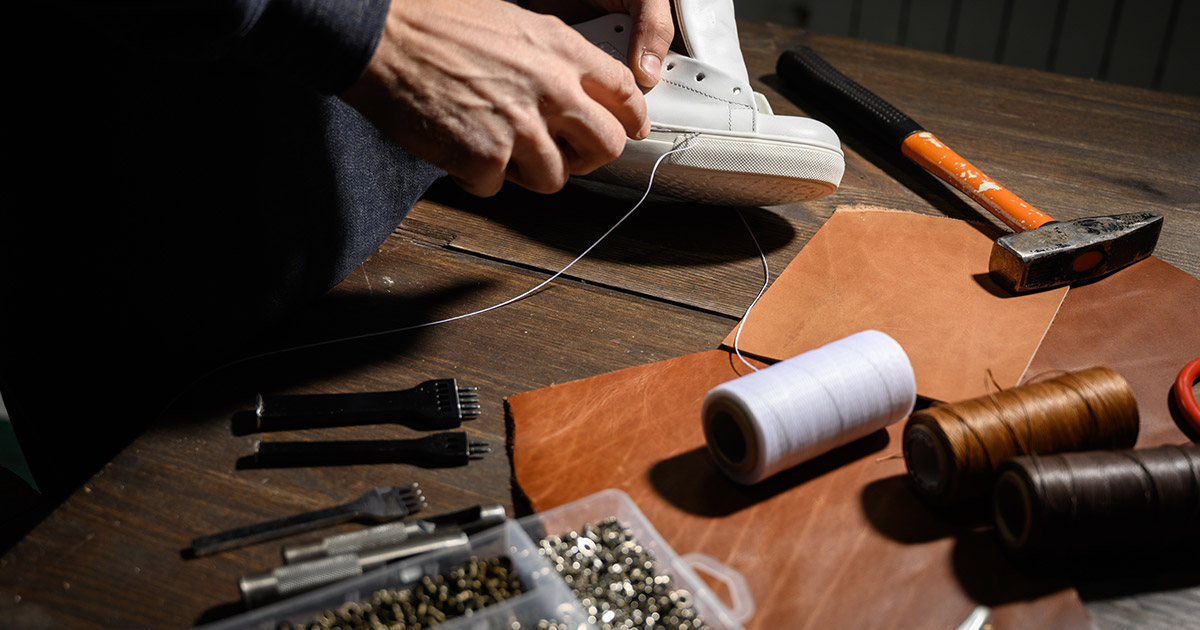
If you want to learn how to repair shoes, the first step is simple. Identify what actually failed. A ripped lining is a different fix than a separated sole, and a worn heel needs a different approach than a cracked upper. Once you know the issue, most repairs become straightforward.
This guide breaks down the most common shoe problems and explains what you can fix yourself and what should be handled by a professional.
Start By Finding The Real Problem
A shoe can look “ruined” when the issue is only cosmetic. Other times, the shoe is structurally breaking down, and no glue will save it.
The most common repair problems include:
- Sole separation (delamination)
- Worn-out heels and tread
- Cracked leather and deep scuffs
- Torn heel lining or shredded interior fabric
Each one has a different cause and a different repair threshold.
How To Repair Shoes At Home Without Making Things Worse
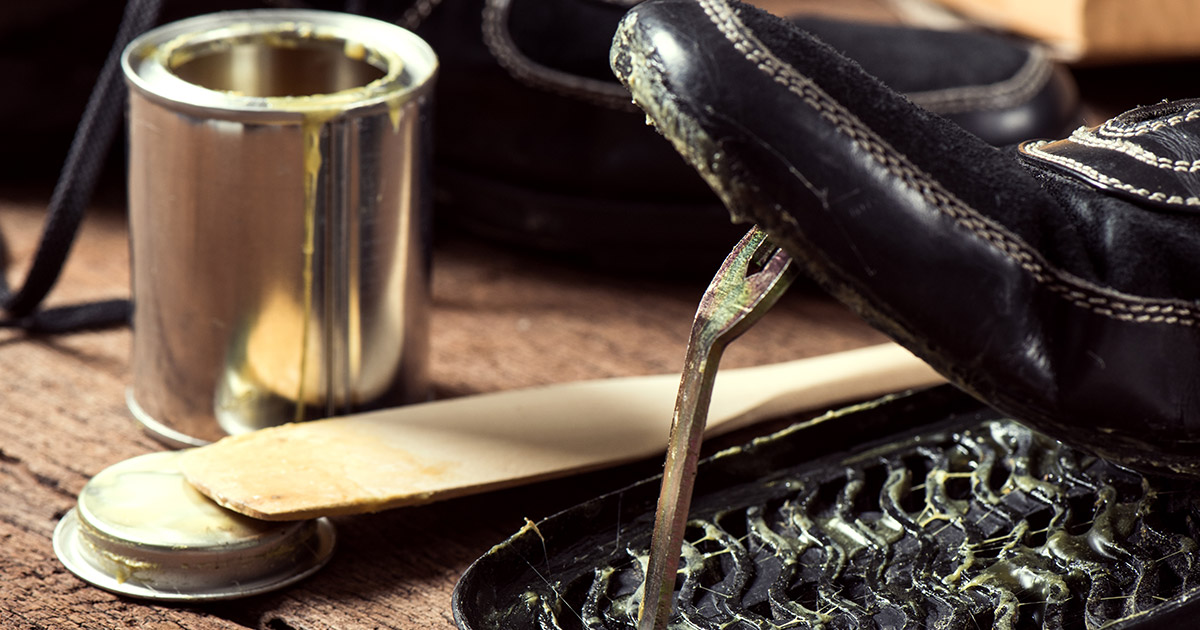
Most DIY repairs fail because people glue over dirt, moisture, or old adhesive. The basics matter. You need to:
- Clean the area thoroughly
- Rough up the surfaces with sandpaper
- Use the correct adhesive for the material
- Apply pressure and give it time to cure
Skipping any of those steps usually means the repair peels off within days. Shoe repair is rarely about “stronger glue.” It’s about proper bonding.
How To Fix Torn Shoes With A Patch Repair
Torn heel lining is one of the most common issues, especially in sneakers and casual shoes. The friction from walking slowly breaks down the inner fabric, and moisture can speed it up.
When fixing torn shoes, a fabric patch is often the cleanest solution. A durable fabric like denim or canvas works well, paired with a flexible shoe glue that dries with movement instead of hardening like plastic.
Basic Patch Steps
- Trim away loose lining material.
- Clean the inside of the shoe and let it dry completely.
- Cut a denim or canvas patch slightly larger than the damaged area.
- Apply flexible shoe glue and smooth the patch over the hole.
- For longer-lasting results, stitch the top edge using a curved needle.
This is also one of the best ways to fix ripped shoes without needing special equipment. It does not look perfect inside the shoe, but it stops rubbing and gives you months of extra wear.
If the shoe interior stays damp often, problems like this come back faster. People dealing with sweaty feet tend to see lining breakdown earlier, especially in synthetic-lined footwear.
How To Repair Sneakers When The Sole Starts Lifting
Sneakers are usually made with cemented construction, which relies heavily on adhesives. That’s why sole separation is common, especially after exposure to snow, slush, and repeated flexing.
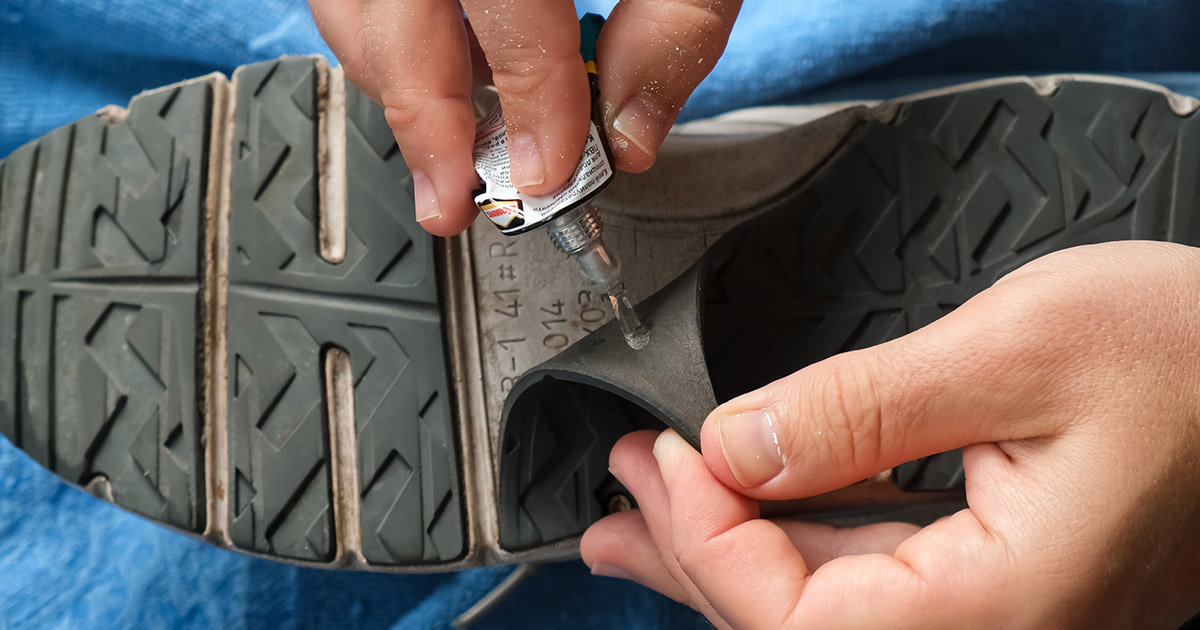
If the separation is minor and limited to the edge, it can often be repaired at home using contact cement. Full sole separation is a warning sign that the bond failed structurally, and it may need professional repair.
Steps for Re-Gluing a Sole
This method works for anyone learning how to repair sneakers properly:
- Remove old adhesive and dirt.
- Clean the area, then dry it fully.
- Rough both surfaces using heavy grit sandpaper.
- Apply a thin coat of contact cement to both sides.
- Let it sit until tacky and clear (often 5 to 30 minutes).
- Press together carefully, then clamp for at least 24 hours.
Pressure matters more than people think. Without it, the glue sets unevenly and peels quickly.
Repair Vs Replacement: What’s Worth Fixing?
Not every shoe repair is worth doing. Some materials break down in ways that can’t be reversed.
For example, polyurethane midsoles can crumble due to chemical breakdown caused by moisture.2 Once that starts, the structure may be too far gone to rebuild properly. If the sole feels like it’s cracking or turning powdery, you may be past the point where glue can help.
A practical rule is that if the repair cost is under 50% of the replacement value, repair is often the smarter decision. It saves money and keeps another pair out of the landfill.
Here’s a helpful cost benchmark table based on typical Canadian pricing:
| Repair Service | Typical Cost Range (CAD) | Best For |
| Heel Tip Replacement | $15 to $30 | Dress shoes, boots, heels |
| Half Resole | $55 to $75 | Mid-range shoes and boots |
| Full Resole | $80 to $150 | Welted boots and quality leather shoes |
| Zipper Replacement | $35 to $75 | Winter boots and tall boots |
These ranges can help you decide whether repair is worth it. For higher-quality footwear, a resole can give you years of extra use.
How To Fix Ripped Shoes Safely With Glue
A lot of people grab super glue, but that’s usually a mistake. Super glue dries brittle. It can crack quickly once the shoe starts bending again.
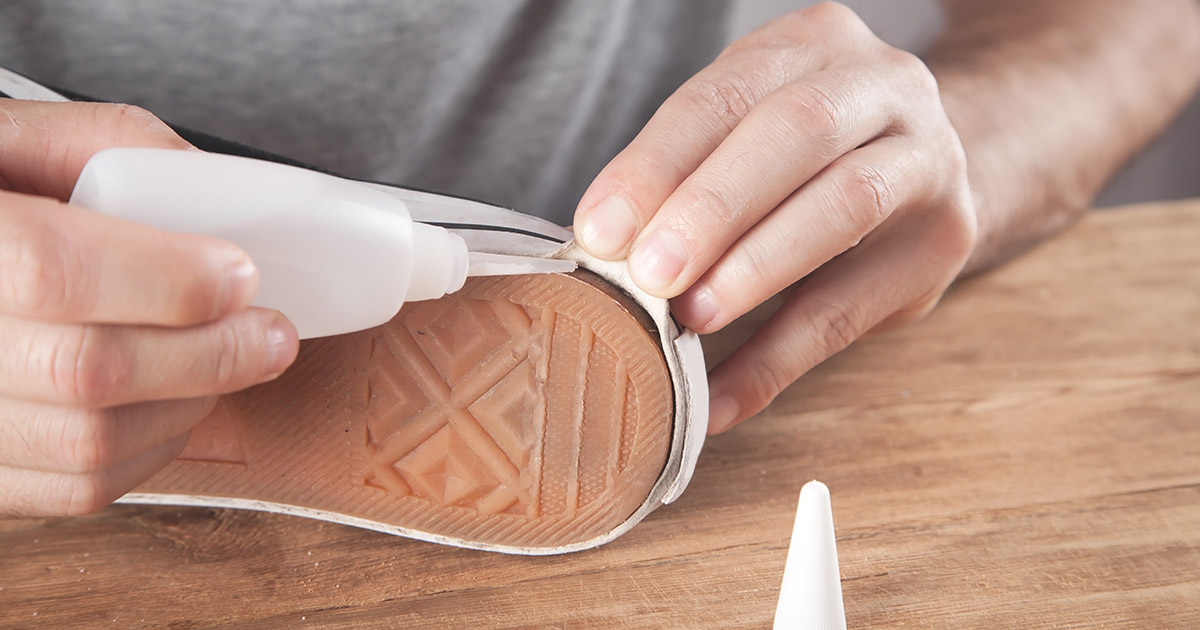
Contact cement and polyurethane-based adhesives are more suitable for shoe repairs, but they must be handled carefully.
Many shoe adhesives contain VOCs, and some are highly flammable. That means safety matters even if you’re only doing a small repair on your kitchen counter.
Basic Adhesive Safety Rules
- Work outdoors or in a highly ventilated area.
- Wear nitrile gloves.
- Keep adhesives away from sparks, flames, or heaters.
- Dispose of leftover adhesive through local hazardous waste programs.
If you repair shoes indoors without airflow, fumes can build up quickly. That is not worth the risk.
Tools That Make Home Repairs Easier
You don’t need a workshop. A basic kit can handle most repairs.
Here are the most useful essentials:
- Flexible shoe glue (for patches and small repairs)
- Contact cement (for sole reattachment)
- Sandpaper (80–120 grit)
- Clamps or heavy elastic bands
- White vinegar for salt stains
- Leather conditioner
- Nitrile gloves
A toothbrush is also useful for cleaning seams and stitching lines. It gets into places a cloth cannot.
How To Patch Shoes And Prevent The Same Problem Later
A patch repair works best when the shoe is kept dry and clean afterward. Otherwise, the glue softens over time, and the fabric loosens.
This is why simple habits matter:
- Let shoes air out after wearing them.
- Rotate between pairs when possible.
- Replace insoles if they stay damp.
- Avoid leaving shoes in a closed bag overnight.
Small steps like that can help your patch last longer and keep your shoes more comfortable.
Prevent Repeat Damage In Canadian Weather
Canadian winters cause shoe breakdown faster than most people expect. Road salt is one of the biggest reasons leather cracks and stiffens.
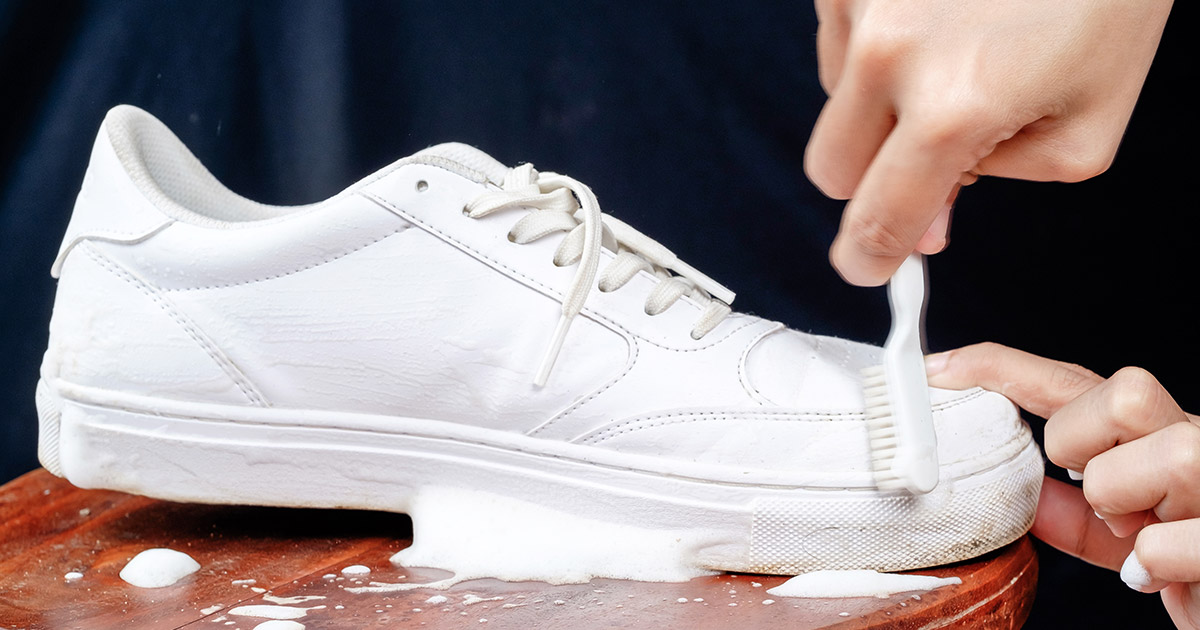
Salt pulls moisture out of natural fibres and strips protective oils. Over time, leather becomes brittle, and you start seeing cracking around flex points.
A simple cleaning mix works well:
- 50% white vinegar
- 50% water
Dab gently, wipe downward toward the sole, and avoid rubbing salt deeper into the leather grain.
Drying also matters. Wet shoes should be dried slowly, stuffed with paper, and kept away from direct heat. Heat can shrink and crack leather, and it can also warp synthetic components.
If you clean shoes regularly, some people use a washing machine for fabric pairs, but drying should still be slow and natural afterward.
When It’s Time To Use A Professional Repair Shop
DIY works best for minor separation, surface issues, and lining repairs. Some problems need machines and technical tools.
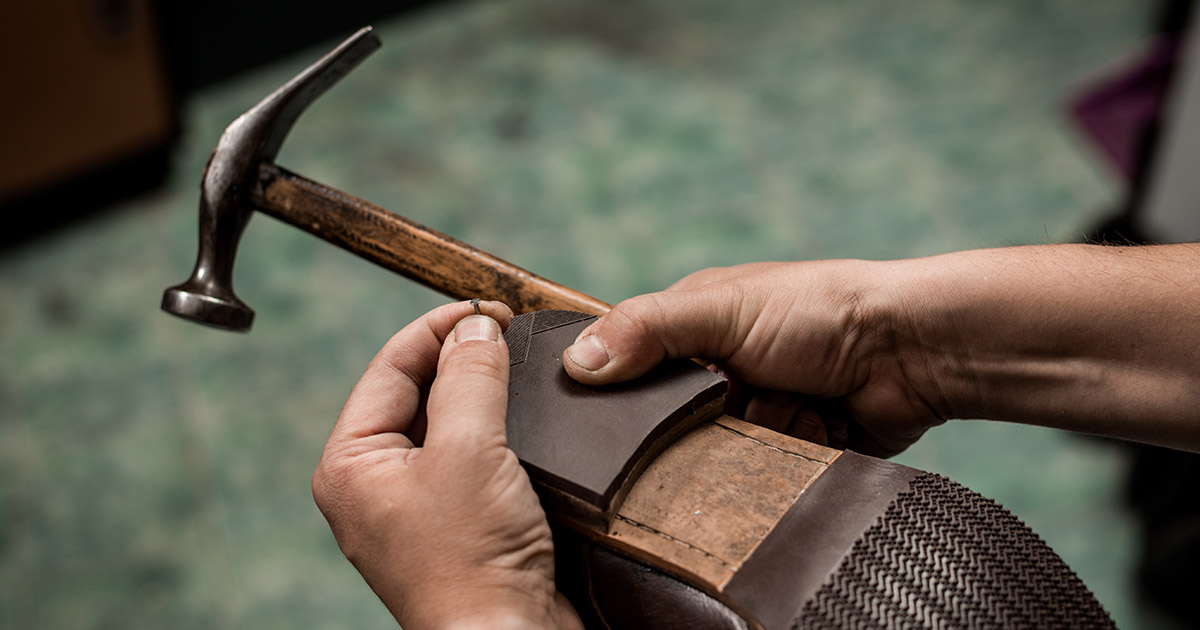
Professional repair is recommended when:
- The midsole is crumbling
- The internal structure is exposed
- A stitched sole needs full resoling
- The shoe is high-end or made from delicate materials
If you’d rather skip the trial-and-error phase, Love Your Shoes offers professional shoe repair and cleaning services for everything from sneakers to leather boots.
How We Can Help
Learning how to repair shoes can save money, reduce waste, and keep your favourite pair wearable longer. Most damage starts small, and fixing it early is always easier than waiting until the shoe breaks completely.
If you want a repair done professionally, request a quote from Love Your Shoes.
References
- Service Canada. “Opportunities for Circularity in Apparel Textiles in Canada.” Canada.ca, 27 Sept. 2024, www.canada.ca/en/services/environment/conservation/sustainability/circular-economy/workshop-report-opportunities-circularity-apparel-textiles.html.
- Isla. “Understanding the Thermal Properties of Materials in Footwear: PU, EVA, and Rubber.” Granulon, 23 Jan. 2025, www.granulon.com/post/understanding-the-thermal-properties-of-materials-in-footwear-pu-eva-and-rubber.