If you notice the inside of your shoe starting to tear, peel, rub, or feel rough against your heel, then you’re most likely dealing with damaged shoe lining. Most of the time, this type of interior wear is repairable and can even be improved with a few simple fixes at home.
However, what looks like a small tear can sometimes point to a bigger problem inside the shoe. In this blog, we’ll walk through the common causes of shoe lining damage, simple ways to fix shoe lining temporarily, and the signs that your shoes need professional repair.
What is a Shoe Lining?
A shoe lining refers to the material that covers the inside of a shoe. It sits between your foot and the shoe’s outer structure.
A well-made lining can make a noticeable difference in how your shoes feel. It helps prevent rubbing, keeps the inside of the shoe smoother, and adds a layer of comfort between your foot and the shoe’s structure. It can also help the interior hold its shape, especially in areas that deal with constant pressure, like the heel.
When the lining starts to tear, peel, or wear thin, the inside of the shoe can feel rough and uncomfortable, especially around the heel.
Common Reasons Why a Shoe Lining Gets Damaged
Your shoe lining deals with a lot of daily wear, even if you do not notice it right away. As your foot moves inside the shoe, it creates friction and pressure against the interior. After enough use, the lining can start to wear thin, pull away, or tear. Some common reasons why your shoe lining may get damaged over time include:
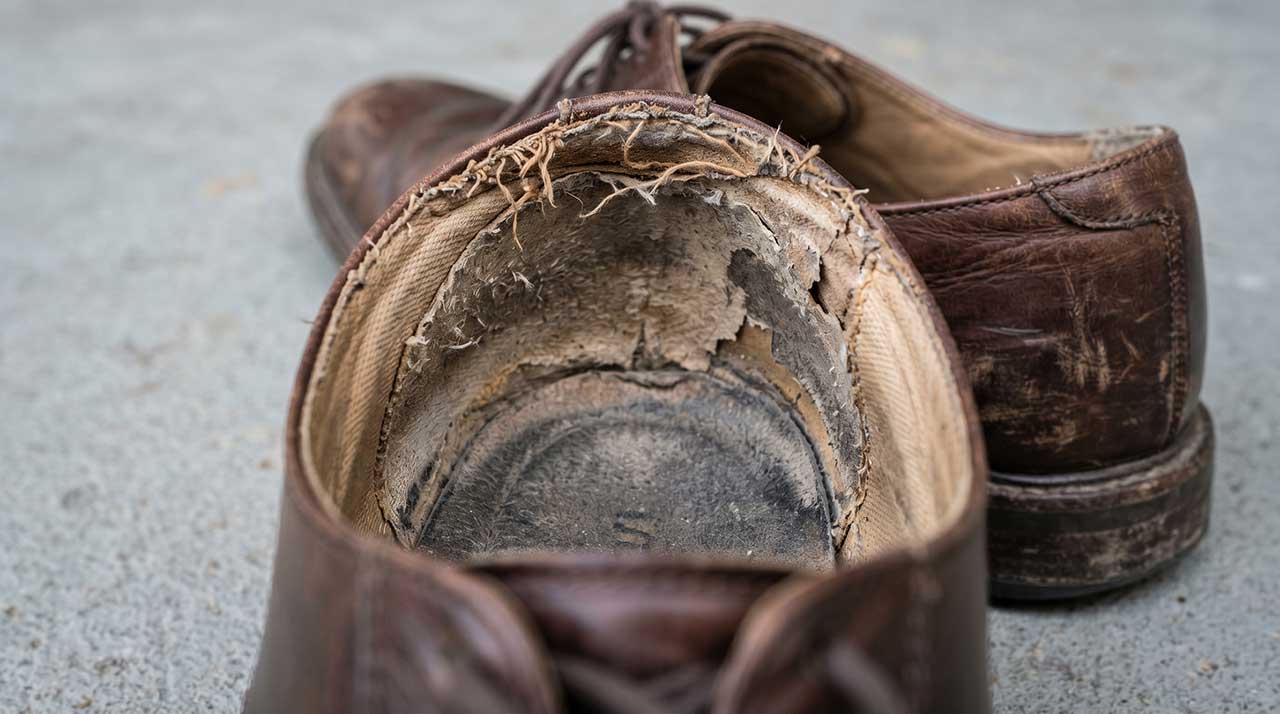
- Regular friction from walking: Every time you walk, your foot shifts slightly inside the shoe. This repeated movement can rub against the lining, especially around the heel, sides, and toe area. Over time, that friction can wear down the material and cause thinning, fraying, or small tears.
- Shoes that do not fit properly: Poor fit is one of the most common reasons shoe lining breaks down. If your shoes are too loose, your heel may slide up and down with every step, which can quickly wear through the heel lining. If they are too tight, the lining may stretch, wrinkle, or tear from constant pressure.
- Moisture and sweat buildup: Moisture can weaken the materials inside your shoes. Sweat, rain, and damp conditions may cause the lining to soften, peel, loosen, or develop odour. This is especially common if shoes are worn often without enough time to dry between uses.
- Putting shoes on without untying them: Forcing your foot into a shoe without loosening the laces can crush or pull at the heel lining. Over time, this can cause the material at the back of the shoe to fold, loosen, or tear. Using a shoehorn can help reduce this kind of damage.
- Worn-out insoles or interior padding: When the insole or inner padding starts to break down, your foot may sit differently inside the shoe. This can create extra pressure in certain areas and cause the lining to wear unevenly. In some cases, replacing the insole early can help prevent more damage to the shoe interior.
- Low-quality or aging lining materials: Some linings are simply less durable than others. Synthetic materials may peel or flake as they age, while fabric linings can thin out with repeated use. Even high-quality leather linings can dry out or crack if they are not cared for properly.
- Rough socks, bare feet, or heavy heel movement: Socks with rough seams, wearing shoes without socks, or walking in a way that creates extra heel movement can all increase friction inside the shoe. This is often why the heel lining is one of the first areas to wear through.
Is DIY Shoe Lining Repair a Good Idea?
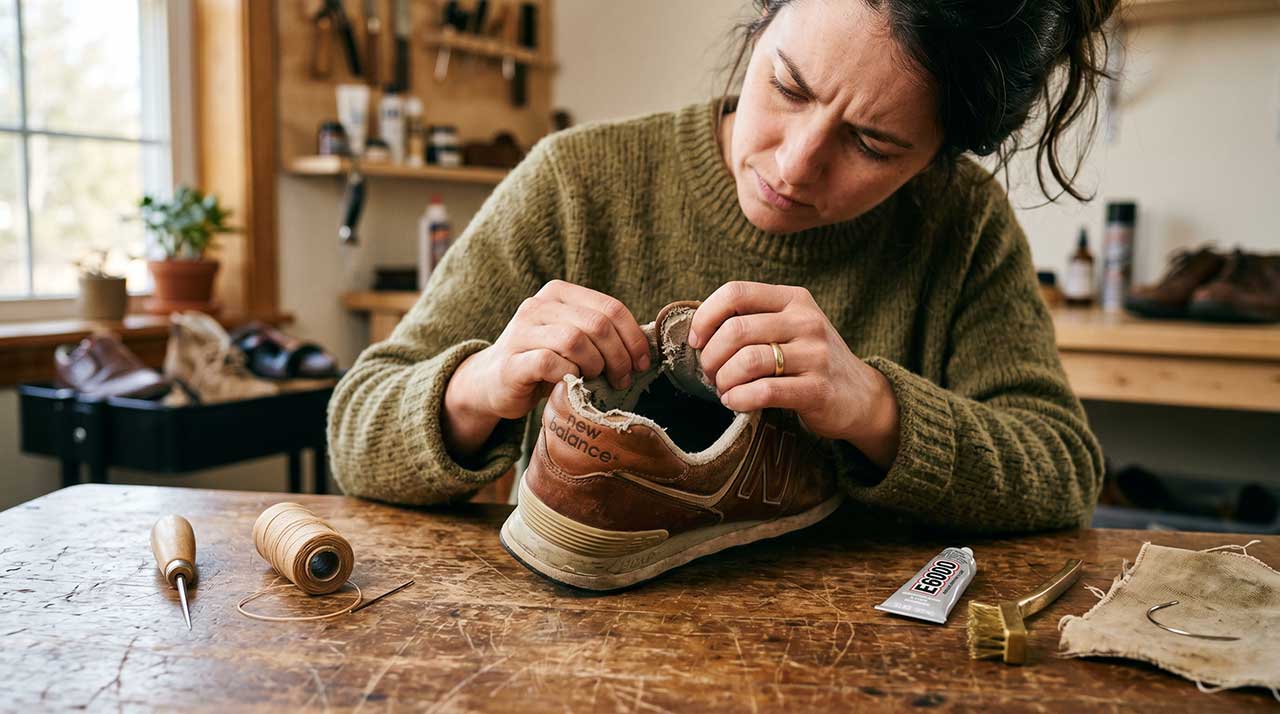
When the lining is severely damaged, DIY shoe lining repair can sometimes do more harm than good. A bulky patch, the wrong adhesive, or poor placement can change how the shoe fits and create new pressure points. If you are trying to repair a damaged shoe interior that is torn, uneven, or exposing harder materials underneath, it is usually better to have the shoes assessed by a professional shoe care expert like Love Your Shoes.
If the lining is only lightly worn, however, a simple at-home fix may be enough to make the shoe more comfortable again.
How to Fix Torn Shoe Lining Temporarily
If the lining has only started to tear, you may be able to make the shoe more comfortable with a short-term fix. This can be helpful if you need to wear the shoes a little longer before bringing them in for professional repair. If you are learning how to repair shoe lining, the right method depends on the type of damage and where it appears inside the shoe.
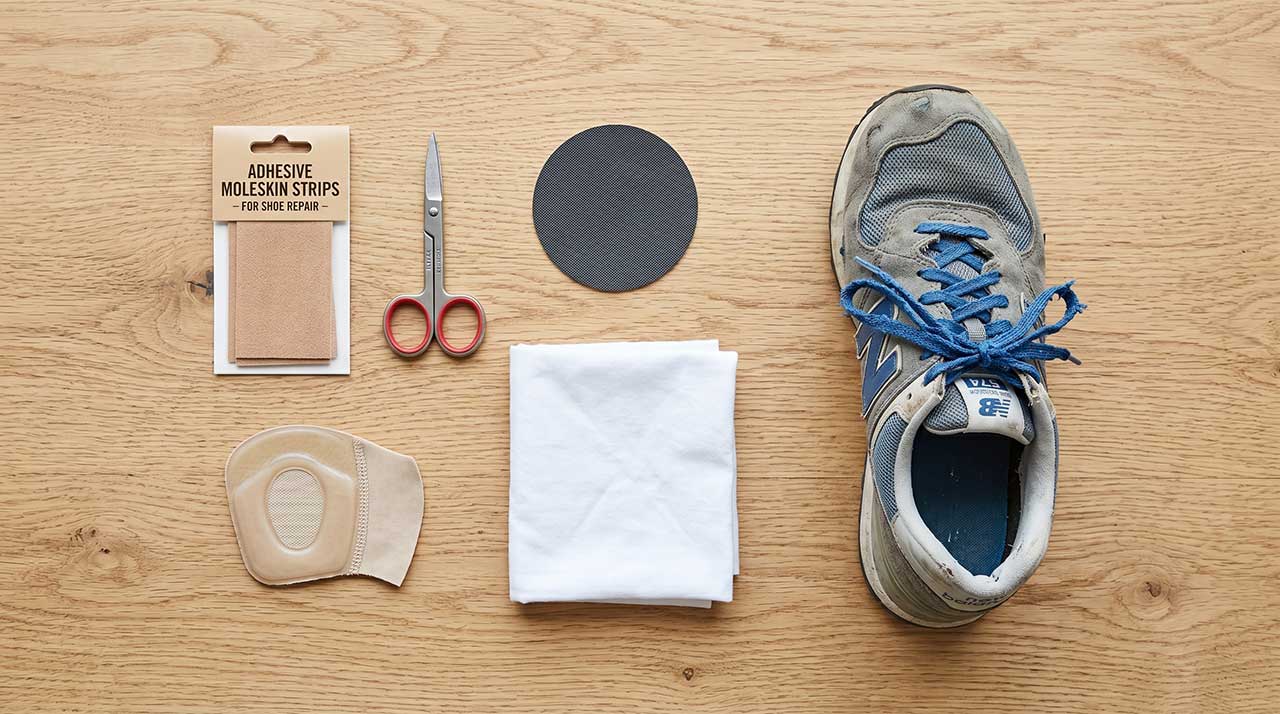
Here are different methods you can use to temporarily repair torn shoe lining:
Method 1: Use a Moleskin Patch for Minor Rubbing
Best for: Small worn spots, light heel rubbing, or minor friction inside the shoe.
What You’ll Need:
- Adhesive moleskin
- Scissors
- Clean cloth
- Mild cleaner, if needed
Step-By-Step Guide On How To Repair Shoe Lining With Moleskin:
- Clean the inside of the shoe: Wipe the damaged area to remove dust, sweat, or loose fibres. Let it dry completely before applying anything.
- Cut the moleskin to size: Cut a piece slightly larger than the worn area. Round the corners so the patch is less likely to peel.
- Place the patch over the damaged lining: Press it firmly onto the area, making sure there are no wrinkles or raised edges.
- Test the shoe indoors: Wear the shoe for a short time at home to check whether the patch feels smooth and comfortable.
Note: This is the easiest temporary fix, but it is not ideal for deep tears or shoes with exposed structure.
Method 2: Use a Thin Fabric Patch for a Torn Shoe Lining
Best for: Small tears in fabric lining, sneakers, casual shoes, or soft shoe interiors.
What You’ll Need:
- Thin fabric patch
- Fabric-safe or shoe-safe adhesive
- Scissors
- Clean cloth
- Optional: needle and thread
Step-By-Step Guide On How To Repair Shoe Lining With a Fabric Patch:
- Start with a clean, dry surface: Before applying anything, clean the inside of the shoe and let it dry. Adhesive needs a clean surface to bond properly.
- Remove frayed threads: Trim loose fibres around the torn lining, but do not pull at the material. Pulling can widen the tear and make the repair harder.
- Prepare the fabric patch: Cut a thin piece of fabric slightly larger than the damaged area. A little overlap helps the patch stay secure, but the material should not be so thick that it changes the fit.
- Use adhesive sparingly: Apply a small amount of shoe-safe adhesive to the back of the patch or the damaged area. A thin, even layer is usually enough.
- Smooth the patch down: Place the patch over the tear and press it flat. Check that there are no folds, bumps, or raised edges that could cause rubbing.
- Allow it to dry fully: Give the repair enough time to set before wearing the shoes. This helps the patch stay in place and reduces the chance of it lifting after a few steps.
Note: This is useful for a short-term repair, but it may not last under heavy friction.
Method 3: Use an Adhesive Heel Liner for Worn Heel Lining
Best for: Heel rubbing, worn heel lining, loose-fitting shoes, or mild discomfort at the back of the shoe.
What You’ll Need:
- Adhesive heel liner or heel grip
- Clean cloth
- Scissors, if trimming is needed
Step-by-Step Guide to Using a Heel Liner to Fix Heel Lining in Shoes:
- Clean the heel area: Wipe the back of the shoe interior to remove dust, lint, and moisture. The adhesive will hold better when the surface is clean and dry.
- Check the placement first: Before peeling off the backing, place the heel liner inside the shoe to see where it feels most comfortable. Make sure it covers the worn area without sitting too high or too low.
- Apply the heel liner carefully: Peel off the backing and press the liner against the inside back of the shoe. Follow the natural curve of the heel area so it sits smoothly.
- Press down along the edges: Run your fingers firmly around the edges to help the liner stick. This also helps prevent the corners from lifting when you walk.
- Test the fit indoors: Put the shoe on and walk around inside for a few minutes. The liner should feel smooth and secure without making the shoe too tight.
Note: This is a practical fix for heel comfort, but it may not repair a torn lining underneath.
Method 4: Use a Leather Patch for Leather Shoe Lining
Best for: Minor wear inside leather shoes, boots, loafers, or dress shoes.
What You’ll Need:
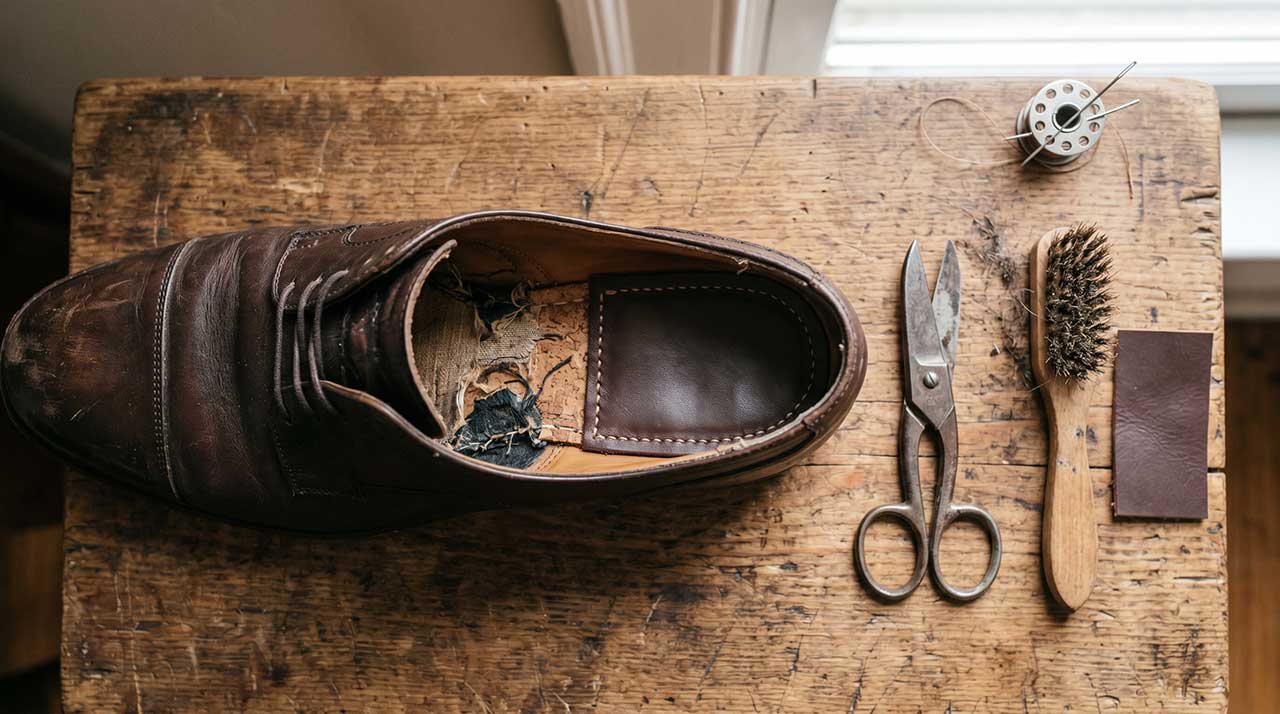
- Thin leather patch
- Leather-safe adhesive
- Scissors or craft knife
- Clean cloth
Step-By-Step Guide On How To Repair Shoe Lining With a Leather Patch:
- Look over the damaged area: Check whether the problem is only with the lining or if the harder structure underneath is also affected. If the shoe feels sharp, collapsed, or uneven inside, it is better to have it repaired professionally.
- Clean without soaking: Gently wipe the interior with a dry cloth. If you need to remove buildup, use only a small amount of cleaner suitable for leather and let the area dry completely.
- Choose a thin leather patch: The patch should be soft and flexible enough to move with the shoe. Cut it large enough to cover the damaged spot, but not so large that it changes the fit.
- Apply leather-safe adhesive evenly: Add a small amount of adhesive and spread it in a thin layer. This helps the patch bond while keeping the repair comfortable.
- Set the patch in place: Press the leather patch over the damaged lining and smooth it flat. Check that the corners and edges are secure.
- Let it cure properly: Give the adhesive enough time to set before wearing the shoes. A rushed repair is more likely to peel, shift, or feel uneven.
Note: For valuable leather shoes, professional shoe repair is usually safer because poor patch placement can affect comfort and appearance.
Signs That It’s Time For A Professional Shoe Lining Repair
A quick DIY patch can only do so much. In some cases, using the wrong adhesive, adding too much material, or placing the patch poorly can make the shoe feel tighter, create new pressure points, or damage the lining further.
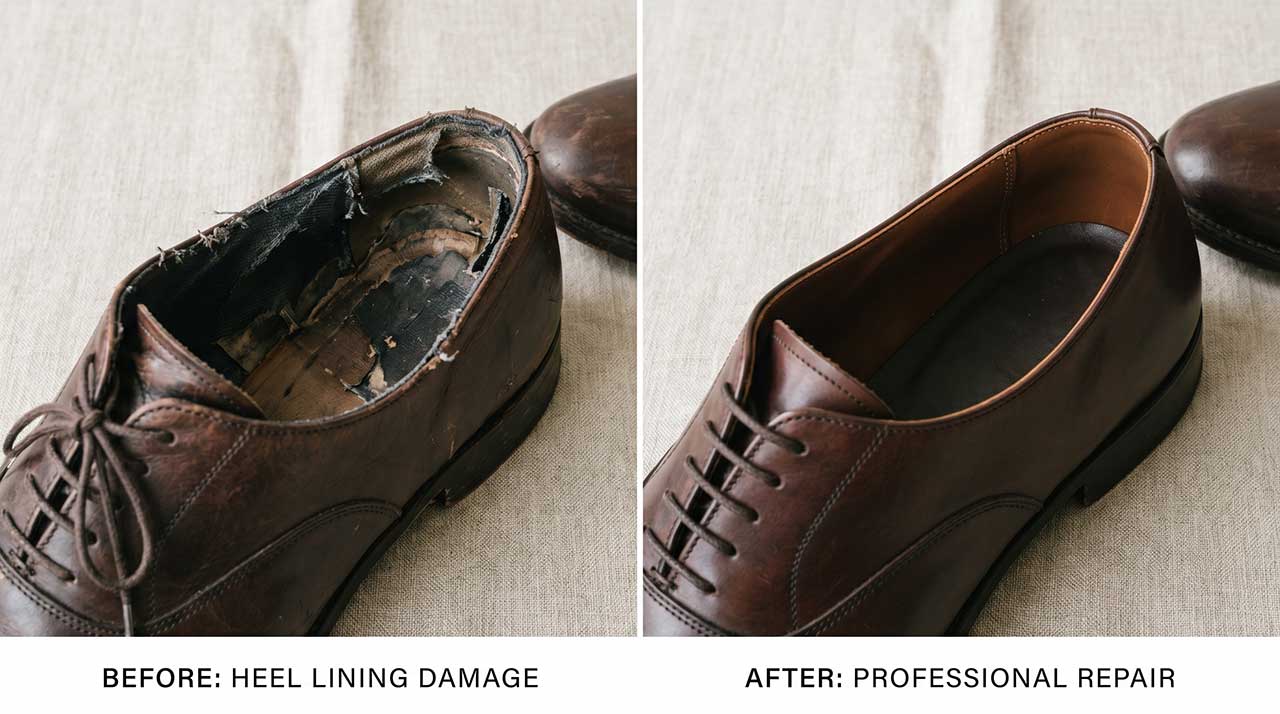
For more serious damage, a professional shoe lining repair is usually the safer and longer-lasting choice. Here are some signs that it is time to bring your shoes to a repair specialist.
The Heel Counter Is Exposed
If the hard backing inside the heel is showing, a simple patch will not solve the problem properly. That firm material can rub against your foot, cause blisters, and make the shoe uncomfortable to wear. A repair specialist can cover and reinforce the area so the inside of the shoe feels smooth again.
The Lining Is Badly Torn Or Peeling
Small worn spots may be manageable at home, but large tears or peeling sections usually need a more secure repair. If the lining keeps lifting or separating, adhesive patches may not stay in place for long. Professional repair can help restore the damaged area with materials that are better suited to the shoe.
The Shoe Still Hurts After A Diy Fix
If you have already tried a patch, heel liner, or temporary repair and the shoe still rubs, the issue may be deeper than the surface lining. The patch may also be too thick or poorly placed. A professional can check the fit, the interior shape, and the source of the discomfort.
The Damage Is Affecting How The Shoe Fits
Lining damage can sometimes make the inside of the shoe feel uneven, tight, loose, or unstable. This is especially common when padding has shifted or broken down. If the shoe no longer feels right when you walk, it is best to have it assessed before the damage gets worse.
The Shoes Are Valuable Or Hard To Replace
For leather shoes, boots, designer footwear, dress shoes, or a favourite pair you wear often, DIY repair can be risky. The wrong glue, patch, or placement can affect comfort and may make future repairs more difficult. A professional repair gives the shoes a better chance of lasting longer.
Get Expert Shoe Lining Repair at Love Your Shoes
A DIY repair can be useful for minor shoe lining damage, but it is not the answer for every pair. If the interior is badly worn, exposed, or starting to affect the fit, a quick patch may only hide the issue for a short time.
Love Your Shoes can help determine whether your lining can be repaired, reinforced, or replaced. Our team understands how to work with different shoe materials and can recommend a solution that protects both the comfort and structure of your footwear. If you are unsure whether your shoes need professional repair, bring them in for an expert assessment.