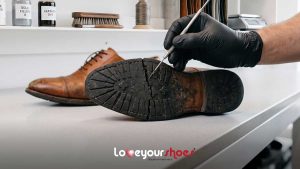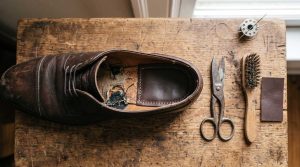
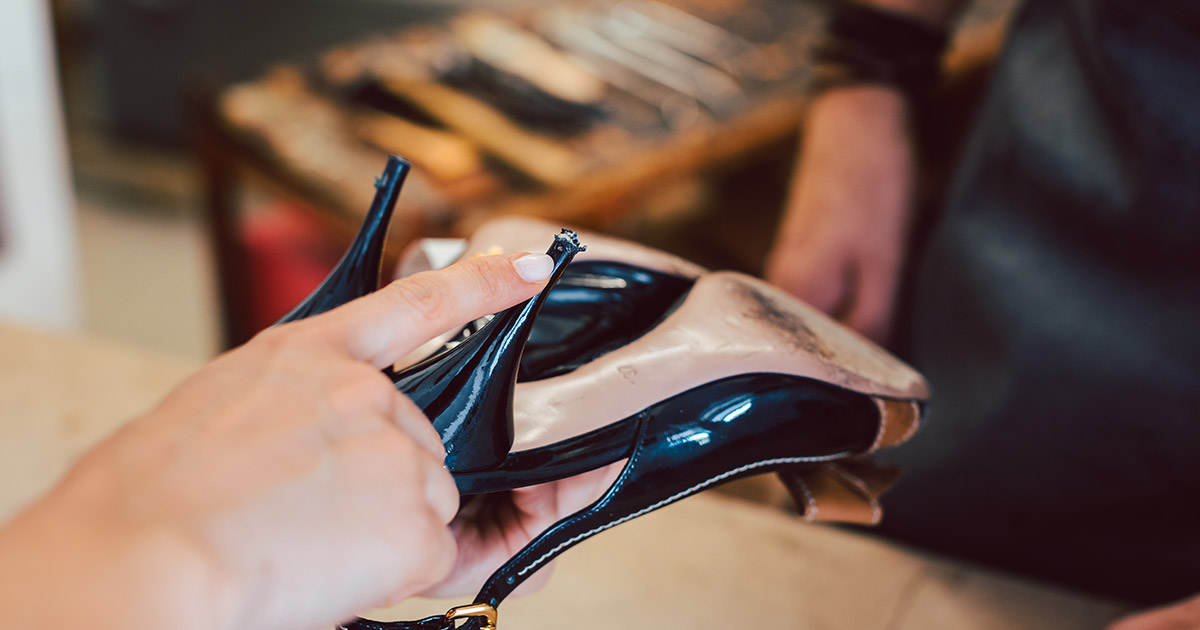
A lot of shoes get thrown out too early. In Canada, synthetic textiles and footwear make up a major part of the waste stream, with roughly 280 kilotons discarded each year.1 That number alone is a good reason to look at repair before replacement. A skilled cobbler can fix far more than most people realize, and in many cases, the cost is far easier to justify than buying a new pair. If you have ever asked what to expect from a repair shop, the short answer is this: it helps extend the life, comfort, and appearance of footwear that still has something left to give.
What Does A Shoe Repair Shop Do?
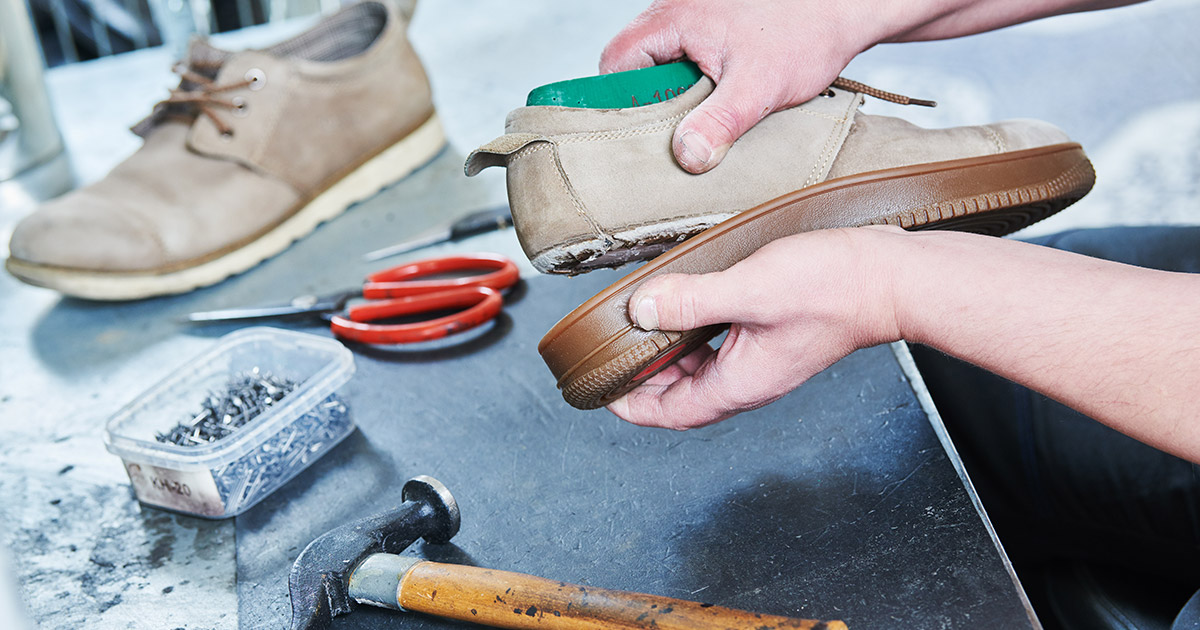
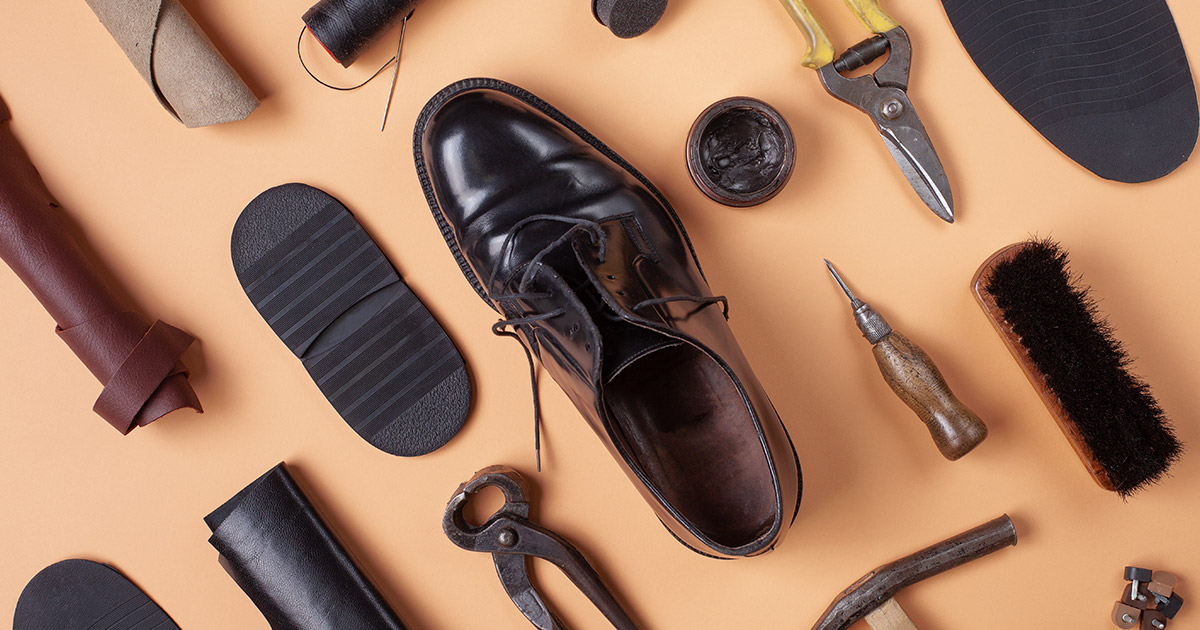
A shoe repair shop handles both structural repairs and cosmetic work. That can mean replacing worn heel tips, fixing separated soles, restitching split seams, restoring faded leather, replacing boot zippers, or stretching shoes that feel too tight. Some shops also work on belts, purses, and other leather goods, but footwear remains the core of the trade. At its best, a repair shop does more than patch damage. It helps keep a well-made pair wearable, stable, and worth holding onto.
That matters because not all shoe problems start with a dramatic failure. Sometimes the warning signs are small. A heel begins to wear unevenly. The sole loses grip. The stitching near the toe starts to open. Left alone, those issues usually get worse and more expensive to deal with. Handled early, they are often routine repairs.
What Can A Cobbler Fix?
This is where the trade becomes more useful than people expect. When people ask about common fixes, the answer covers a wide range of everyday problems.
A cobbler may be able to fix:
- worn heel tips that affect balance and walking comfort
- split seams or loose stitching on the upper
- soles that have started to separate from the shoe
- damaged zippers on boots
- tight shoes that need stretching in specific areas
- scuffed or faded leather that needs colour restoration
- damaged shanks or other structural support issues
- worn soles that need a half or full resole
Some repairs are minor. Others involve taking the shoe apart and rebuilding major sections. Good repair shops also know when to be honest. If the materials are breaking down from the inside, they should tell you that a repair is unlikely to hold.
Common Types Of Shoe Repairs
Some shoe repair shop services focus on quick maintenance jobs. Others make sense only for better-made shoes or boots. Here is a practical overview of what people commonly bring in.
| Repair Type | What It Helps With | Typical Price Range In Canada |
| Heel Tip Replacement | Stops further heel wear and improves stability | $15 to $30 |
| Simple Stitching Repair | Closes split seams and minor tears | $15 to $35 |
| Shoe Stretching | Relieves pressure and improves fit | $10 to $25 |
| Half Resole | Restores traction and extends sole life | $55 to $75 |
| Full Resole | Rebuilds the sole on repairable footwear | $80 to $150 |
| Zipper Replacement | Restores function in boots | $35 to $75 |
| Designer Restoration | Revives higher-end footwear | $100 to $300+ |
These numbers vary by city, construction, and material, but they show the general range. Repair pricing in Canada is usually shaped by the complexity of the work and the kind of shoe involved.
Can Shoes Be Repaired?
In many cases, yes. Still, the real answer depends on how the shoe was made.
Goodyear-welted footwear is among the easiest to repair because the outsole can be replaced multiple times without damaging the upper. Blake stitched shoes can also be repaired, though they often require specialized equipment. Cemented shoes, which rely on adhesive rather than stitched construction, are usually the hardest to restore and often have the shortest lifespan. The way a shoe is built often determines whether repair is realistic in the first place.
There are also cases where replacement is the better call. Deep cracks through the leather flex point, crumbling midsoles, broken internal shanks, and severe lining failure can all point to deeper structural problems. Once the material has started to break down internally, repairs may not last long enough to justify the cost.
That is one reason it helps to understand how to repair a shoe before deciding whether a pair is worth saving. A proper assessment is part of the service.
The Benefits Of Shoe Repair
The value of repair becomes clear once you look at long-term use. A quality pair that fits well is hard to replace, especially once it has been worn in.
Some of the biggest advantages include:
- lower long-term cost on better-made footwear
- more wear from shoes that are already comfortable
- less waste from replacing shoes too often
- improved traction and stability after repairs
- a way to maintain premium leather or designer pairs properly
There is also a cost-per-wear factor that often gets overlooked. A higher-end pair that lasts years with proper care can end up costing less over time than replacing cheaper options repeatedly. That is why repair tends to make the most sense for leather boots, dress shoes, and other footwear built to last.
Repair is recognized in Canadian waste reduction strategies as a higher-value option than recycling because it keeps products in use longer.2
When Repair is Worth It
A practical rule often used in the trade is the 60% rule. If the repair estimate is less than 60% of the original price, the work is usually worth considering. Spend $120 to restore a $300 pair of boots, and the math often works. Spend $40 on a low-cost synthetic shoe with a limited lifespan, and it usually does not.

This is where a good repair shop adds real value. It should not try to save every pair. It should tell you when a repair makes sense, when a full rebuild is worth it, and when replacement is the smarter move.
Daily care also affects that decision. Salt, moisture, and general neglect shorten the life of leather quickly, especially in Canadian winters. Proper cleaning and conditioning help, which is why people often look up how to clean white shoes or care for leather between visits. Regular upkeep gives repairs a better chance of lasting.
Worn soles, exposed toe caps, and reduced tread on safety footwear can create hazards in Canadian work environments if not repaired or replaced in time.3
Final Thoughts
A shoe repair shop can fix worn heels, replace soles, restore leather, improve fit, repair zippers, and deal with damage that would otherwise send usable footwear to the trash. For well-made pairs, that can mean years of additional use. For everyday wear, it often means better comfort and fewer replacements over time.
Understanding what a repair shop can handle helps you make better decisions about what to keep and what to replace. In many cases, a simple repair is enough to keep a good pair in rotation.
Wondering if your shoes are worth saving? Get a quote from Love Your Shoes and find out what can be restored.
References
- Canada, Environment and Climate Change. “Addressing Plastic Waste and Pollution From the Textile and Apparel Sector: Consultation Document.” Canada.ca, 8 July 2024, www.canada.ca/en/environment-climate-change/services/managing-reducing-waste/consultations/roadmap-plastic-waste-pollution-textile-apparel-sector/proposed-roadmap-plastic-waste-pollution-textile-apparel-sector.html.
- St. Godard, Jo-Anne, and Shannon Lavalley. Landscape Review of Repairability in Canada. CSA Group, November 2022.
- Government of Canada, Canadian Centre for Occupational Health and Safety. Foot Comfort and Safety at Work. 28 Aug. 2025, www.ccohs.ca/oshanswers/prevention/ppe/foot_com.html.